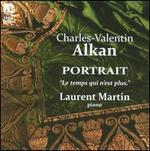
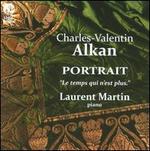
Charles-Valentin Alkan, born in 1813 and deceased in 1888 allegedly after a bookcase fell on him as he reached for a copy of the Talmud (although annotator François Luguenot questions the tale), was ahead of his time in the 19th century and apparently still poses challenges for players and listeners, to judge from the sparsity of recordings of his works. When Alkan is recorded at all, it is usually massive works like the Concerto for solo piano and the Grande Sonate "Les quatres ages," Op. 33, selected by Alkan champions ...
Read More
Charles-Valentin Alkan, born in 1813 and deceased in 1888 allegedly after a bookcase fell on him as he reached for a copy of the Talmud (although annotator François Luguenot questions the tale), was ahead of his time in the 19th century and apparently still poses challenges for players and listeners, to judge from the sparsity of recordings of his works. When Alkan is recorded at all, it is usually massive works like the Concerto for solo piano and the Grande Sonate "Les quatres ages," Op. 33, selected by Alkan champions such as Marc-André Hamelin. There is no doubt that one thing Alkan did was push the piano and its players to their ultimate limits, but this is not all that he was about. French pianist Laurent Martin has issued a fine series of Alkan recordings that captures the startling quality of his music but largely focuses on aspects other than sheer virtuosity, and all are highly recommended to anyone whose curiosity has been piqued by this brilliant but eccentric composer. Shorter pieces such...
Read Less
Add this copy of Alkan: Portrait-Le Temps Qui N'Est Plus to cart. $27.95, new condition, Sold by Broad Street Books rated 5.0 out of 5 stars, ships from Branchville, NJ, UNITED STATES, published 2017 by LIGIA.