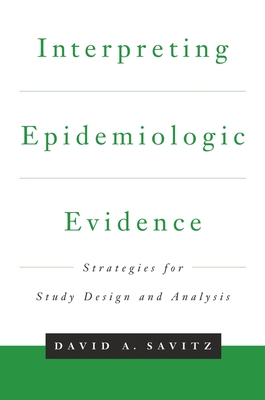
Evaluating the strength or persuasiveness of epidemiologic evidence is inherently challenging, both for those new to the field and for experienced researchers. There are a myriad of potential biases to consider, but little guidance about how to asses the likely impact on study results. This book offers a strategy for assessing epidemiologic research findings, explicitly describing the goals and products of epidemiologic research in order to better evaluate it successes and limitations. The focus throughout is on practical ... Read More
Evaluating the strength or persuasiveness of epidemiologic evidence is inherently challenging, both for those new to the field and for experienced researchers. There are a myriad of potential biases to consider, but little guidance about how to asses the likely impact on study results. This book offers a strategy for assessing epidemiologic research findings, explicitly describing the goals and products of epidemiologic research in order to better evaluate it successes and limitations. The focus throughout is on practical tools for making optimal use of available data to assess whether hypothesized biases are operative and to anticipate concerns at the point of study design in order to ensure that needed information is generated. Specific tools for assessing the presence and impact of selection bias in both cohort and case-control studies, bias from non-response, confounding, exposure measurement error, disease measurement error, and random error are identified and evaluated. The potential value of each approach as well as its limitations are discussed, using examples from the published literature. Such information should help those who generate and interpret epidemiologic research to apply methodological principles more effectively to substantive issues, leading to a more accurate appraisal of the current evidence and greater clarity about research needs. Read Less
Add this copy of Interpreting Epidemiologic Evidence: Strategies for to cart. $14.85, very good condition, Sold by Halcyon Books rated 5.0 out of 5 stars, ships from LONDON, LONDON, UNITED KINGDOM, published 2003 by Oxford University Press.
Add this copy of Interpreting Epidemiologic Evidence: Strategies for to cart. $16.79, good condition, Sold by ThriftBooks-Dallas rated 4.0 out of 5 stars, ships from Dallas, TX, UNITED STATES, published 2003 by Oxford University Press.
Add this copy of Interpreting Epidemiologic Evidence: Strategies for to cart. $16.81, like new condition, Sold by The Maryland Book Bank rated 5.0 out of 5 stars, ships from baltimore, MD, UNITED STATES, published 2003 by Oxford University Press.
Add this copy of Interpreting Epidemiologic Evidence: Strategies for to cart. $16.81, very good condition, Sold by The Maryland Book Bank rated 5.0 out of 5 stars, ships from baltimore, MD, UNITED STATES, published 2003 by Oxford University Press.
Add this copy of Interpreting Epidemiologic Evidence: Strategies for to cart. $17.39, poor condition, Sold by Anybook rated 5.0 out of 5 stars, ships from Lincoln, UNITED KINGDOM, published 2003 by Oxford University Press.
Choose your shipping method in Checkout. Costs may vary based on destination.
Seller's Description:
This is an ex-library book and may have the usual library/used-book markings inside. This book has hardback covers. Book contains pen markings. In poor condition, suitable as a reading copy. Dust jacket in good condition. Please note the Image in this listing is a stock photo and may not match the covers of the actual item, 700grams, ISBN: 9780195108408.
Add this copy of Interpreting Epidemiologic Evidence: Strategies for to cart. $18.99, good condition, Sold by BooksRun rated 4.0 out of 5 stars, ships from Philadelphia, PA, UNITED STATES, published 2003 by Oxford University Press.
Choose your shipping method in Checkout. Costs may vary based on destination.
Seller's Description:
Good. It's a well-cared-for item that has seen limited use. The item may show minor signs of wear. All the text is legible, with all pages included. It may have slight markings and/or highlighting.