Now known to be a relatively common (2-3% prevalence), genetically determined disorder of the cortical- thalamic-striatal (CTS) circuitry of the brain, Obsessive Compulsive Disorder (OCD) can be a devastating brain illness which continues to place a heavy burden on the healthcare system in spite of the development of 5HT reuptake blocking medications which are partially effective (roughly 30% improvement in 60% of patients without placebo effect) in reducing the symptoms of OCD. The serotonergic hypothesis has come under ...
Read More
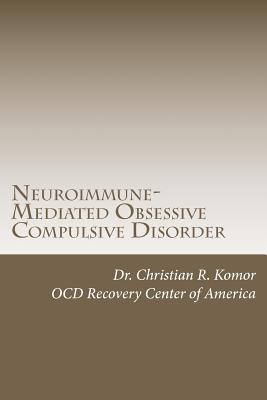
Now known to be a relatively common (2-3% prevalence), genetically determined disorder of the cortical- thalamic-striatal (CTS) circuitry of the brain, Obsessive Compulsive Disorder (OCD) can be a devastating brain illness which continues to place a heavy burden on the healthcare system in spite of the development of 5HT reuptake blocking medications which are partially effective (roughly 30% improvement in 60% of patients without placebo effect) in reducing the symptoms of OCD. The serotonergic hypothesis has come under challenge from an array of more contemporary invitro and invivo studies indicating involvement of dopaminergic, inositol second messenger, glutamatergic, autoimmune and other mechanisms in the pathogenisis of OCD. Following in the footsteps of several of the neuro-immune-mediated (NMD) degenerative disorders such as Multiple Sclerosis, Parkinson's disease, and Alzheimer's Disease and particularly Sydenham's Chorea, strong evidence now implicates dysregulation of the immune system in the activation and maintenance of many forms of OCD. It is postulated that approaching OCD as a potentially Neuroimmune Mediated disorder may allow for the application of already-existing diagnostic and treatment innovations already in use in collateral field as well as the development of new treatment methodologies in specific to Neuroimmune Mediated Obsessive Compulsive Disorders (NM-OCD) In this monograph on Neuroimmune Mediated Obsessive Compulsive Disorder (NM-OCD) our hope is to bring to light correlations between research derived from studies of other neurological disorders such as Parkinson's Disease, MS, and Alzheimer's and our own field of Obsessive Compulsive Disorders. In the paper we explore existing research in psychoneuroimmunology, blood-brain barrier dysfunction and anti-neuronal processes in the brain.
Read Less
Add this copy of Neuroimmune-Mediated Obsessive Compulsive Disorder: A to cart. $15.41, new condition, Sold by Ingram Customer Returns Center rated 5.0 out of 5 stars, ships from NV, USA, published 2012 by Createspace Independent Publishing Platform.
Add this copy of Neuroimmune-Mediated Obsessive Compulsive Disorder: A to cart. $15.17, new condition, Sold by GreatBookPrices rated 4.0 out of 5 stars, ships from Columbia, MD, UNITED STATES, published 2012 by Createspace Independent Publishing Platform.
Choose your shipping method in Checkout. Costs may vary based on destination.
Seller's Description:
New. Trade paperback (US). Glued binding. 90 p. In Stock. 100% Money Back Guarantee. Brand New, Perfect Condition, allow 4-14 business days for standard shipping. To Alaska, Hawaii, U.S. protectorate, P.O. box, and APO/FPO addresses allow 4-28 business days for Standard shipping. No expedited shipping. All orders placed with expedited shipping will be cancelled. Over 3, 000, 000 happy customers.
Add this copy of Neuroimmune-Mediated Obsessive Compulsive Disorder: a to cart. $31.30, good condition, Sold by Bonita rated 4.0 out of 5 stars, ships from Santa Clarita, CA, UNITED STATES, published 2012 by CreateSpace Independent Publis.