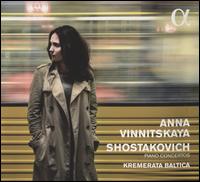
Shostakovich's two piano concertos do not come from the mainstream of his career. The Concerto for piano, trumpet, and strings, Op. 35 (the trumpet's role is secondary), is an early work, and the Piano Concerto No. 2 in F major, Op. 102, was written for the composer's son, Maxim, and is one of the few real light works in his entire corpus. Shostakovich said that the second concerto was "without redeeming value," but perversely went on to perform it frequently, as did Maxim. Many performers have followed those two in taking ...
Read More
Shostakovich's two piano concertos do not come from the mainstream of his career. The Concerto for piano, trumpet, and strings, Op. 35 (the trumpet's role is secondary), is an early work, and the Piano Concerto No. 2 in F major, Op. 102, was written for the composer's son, Maxim, and is one of the few real light works in his entire corpus. Shostakovich said that the second concerto was "without redeeming value," but perversely went on to perform it frequently, as did Maxim. Many performers have followed those two in taking the outer movements at breakneck speeds, but Russian pianist Anna Vinnitskaya is a bit closer to the moderate tempi of the best-selling Leonard Bernstein recording from which many older listeners learned the work. Composers do not have the last word on performances of their music, and the slower readings are preferable, bringing out the Bachian quality of the music. Vinnitskaya is a natural Shostakovich player throughout, getting the sardonic tone of the young Shostakovich perfectly...
Read Less