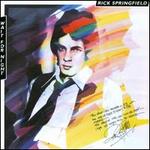
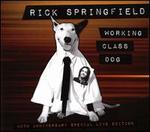
Wait for Night was Rick Springfield's first stab at a big, splashy mainstream pop album and kicks off with a barnburner, the galloping "Take a Hand." Big, shiny, and bright and spilling over with hooks, it points toward the steel-gilded power pop of Working Class Dog, but the rest of the album is tied to its 1976 release, sometimes adopting a glitzy arena rock stance but often mining a dramatic ballad vein that collapses upon its own pomp. Both sounds are uncannily reminiscent of Elton John, and not so coincidentally, Elton ...
Read More
Wait for Night was Rick Springfield's first stab at a big, splashy mainstream pop album and kicks off with a barnburner, the galloping "Take a Hand." Big, shiny, and bright and spilling over with hooks, it points toward the steel-gilded power pop of Working Class Dog, but the rest of the album is tied to its 1976 release, sometimes adopting a glitzy arena rock stance but often mining a dramatic ballad vein that collapses upon its own pomp. Both sounds are uncannily reminiscent of Elton John, and not so coincidentally, Elton's rhythm section powers Wait for Night, their presence underscoring Springfield's debt to the Goodbye Yellow Brick Road LP, but he's not re-creating the record as much as expanding upon it, dabbling in the cinematic vistas of "Old Gangsters Never Die" and "Archangel," working up a crunchy chorus of "One Broken Heart," spending lots of time with piano arpeggios punctuated by power chords. All the elements are good -- good enough for a not bad piece of period pop -- but nothing provides the pure rush of "Take a Hand," which remains one of Springfield's great moments. ~ Stephen Thomas Erlewine, Rovi
Read Less