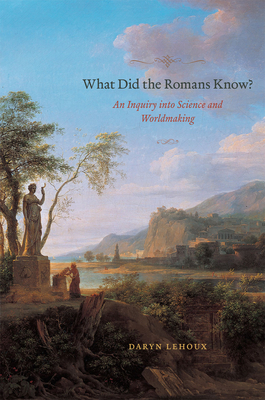
What did the Romans know about their world? How are we to understand their science when it features some seemingly unmanageable aspects, those we would flag as fundamentally foreign the umbrella-footed monsters, the dog-headed people, the spontaneous generation, the three-foot long grasshoppers, the divination? Here Daryn Lehoux contends that Roman science is not as incongruous or isolated as we might have thought. He explores the complex interrelationships between the objects of their scientific inquiry, and the norms, ...
Read More
What did the Romans know about their world? How are we to understand their science when it features some seemingly unmanageable aspects, those we would flag as fundamentally foreign the umbrella-footed monsters, the dog-headed people, the spontaneous generation, the three-foot long grasshoppers, the divination? Here Daryn Lehoux contends that Roman science is not as incongruous or isolated as we might have thought. He explores the complex interrelationships between the objects of their scientific inquiry, and the norms, processes, and structures of that inquiry. This includes not only the tools and methods the Romans used in their investigations of nature but also their cultural, intellectual, political, and religious contexts. What emerges from looking to the contemporary Roman scene to explain the interdependencies and range of Roman knowledge is a view of science that shows a strong interaction between theories, objects, and investigative frameworks."
Read Less